A Delightful Conversation with Collector Bekir Kantarcı: Our Culture Resonates in Perfume Bottles

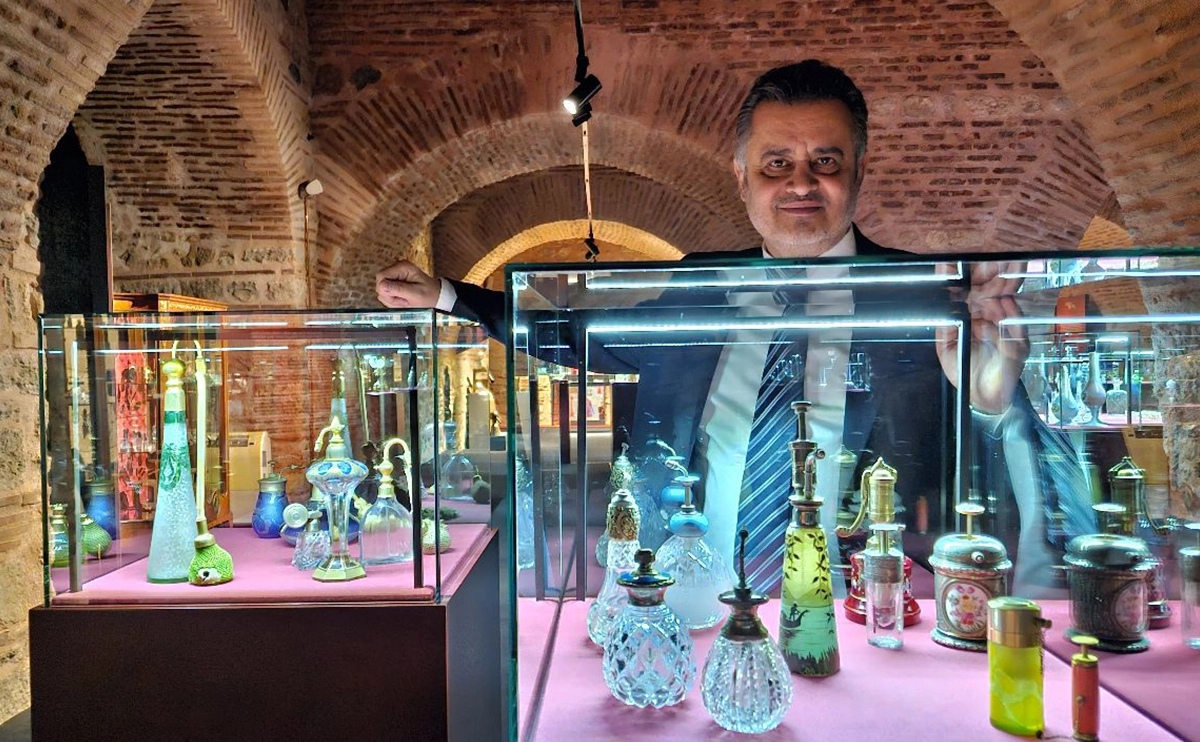
Collector Bekir Kantarcı, who has been gathering perfume bottles and vessels from around the world for years, says: “There is great delicacy in our perfume vessels, yet we remain unaware of the Ottoman fragrance culture. Unfortunately, we do not have a perfume museum.”
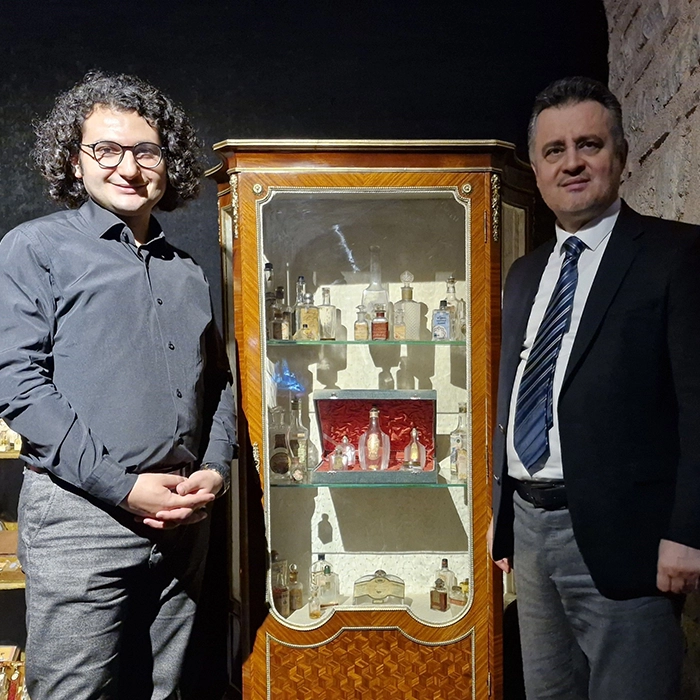
AROUND 130 TITLES OF PERFUME BOTTLES
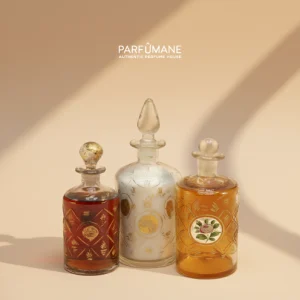
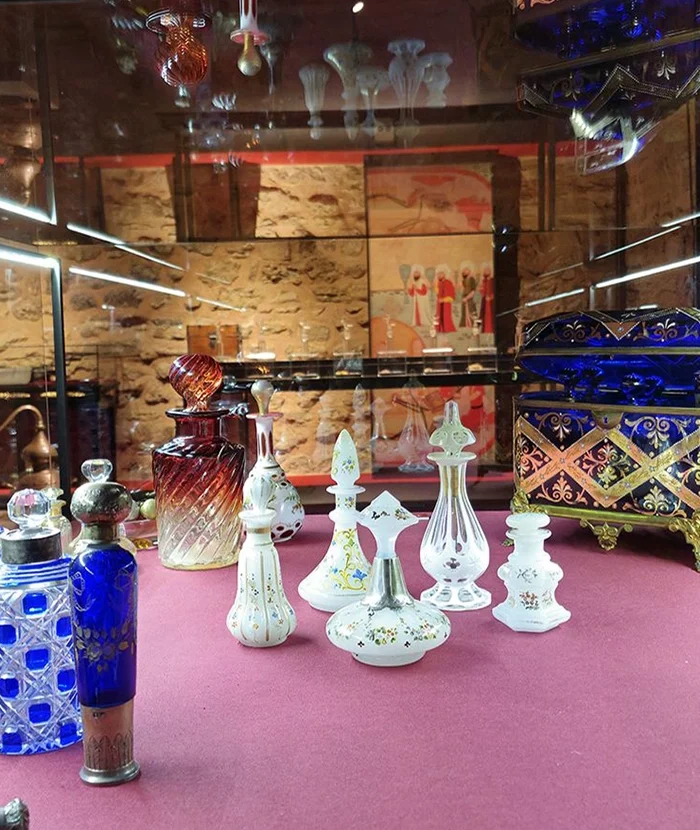
So how extensive has your collection become, and what does it include? As the perfume bottle collection expanded, cataloging it also became more challenging. I created nearly 130 detailed categories, but my main focus is on perfume bottles made of Beykoz glass, rosewater flasks, and censers. There are also perfume bottles once used by Ottoman sultans, as well as fragrance objects belonging to European royal families. In addition, there are miniature pocket perfume containers, each like a work of art. I have also added bottles from the first Ottoman cologne makers to my collection. Altogether, my collection consists of nearly ten thousand pieces. My oldest item dates back to the 1700s, with others extending up to the 1950s.Is the beauty of old perfume bottles due to the high value of fragrances at that time? Of course. Since fragrances were precious, great importance was placed on perfume bottles as well. Perfume bottles were crafted almost like works of art. Valuable fragrances were displayed in equally valuable bottles.And what do you hope to achieve with the perfume bottles you’ve collected? Although there are museums in Turkey dedicated to thousands of different fields, surprisingly, there is still no perfume museum. I have never been able to comprehend this. That is why I dream of establishing a perfume museum. I would like to create such a museum in Istanbul.WE ARE UNAWARE OF THE OTTOMAN FRAGRANCE CULTURE
You are now presenting your collection in the exhibition called “Gılaf-ı Reyya.” I assume this is the first step toward the museum you wish to establish…
Yes. The name of the exhibition in Ottoman means “vessels of fine fragrance.” Today, interest in perfume has increased, and young people are very fond of fragrance design. However, information about our fragrance history is not easily accessible. Therefore, we are unaware of the Ottoman fragrance culture. At this point, we aim to showcase our history through fragrance antiques. For these fragrance vessels embody a deep culture and refinement. Here, alongside various perfume bottles used during the Ottoman period, we also offer visitors the opportunity to experience those scents firsthand. In other words, we allow people to touch our history through fragrance.
THE MOST BELOVED SCENTS IN THE OTTOMAN ERA: MUSK AND AMBER
You have been chasing old perfumes and historical bottles for years. Was producing fragrances in the past as easy as it is today?
Producing fragrances was much more difficult in the past. Since synthetic substances did not exist at the time, obtaining raw materials for perfumes was not easy. The most valuable ingredients came from the Far East. Evliya Çelebi even mentioned that at one time, there were nearly 500 perfume shops in Istanbul. This demonstrates how highly sought after these raw materials were.
So, which fragrances were most preferred in the Ottoman Empire, where elegant bottles stood out?
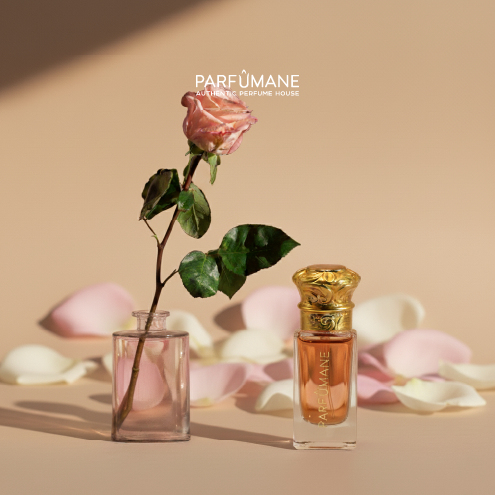
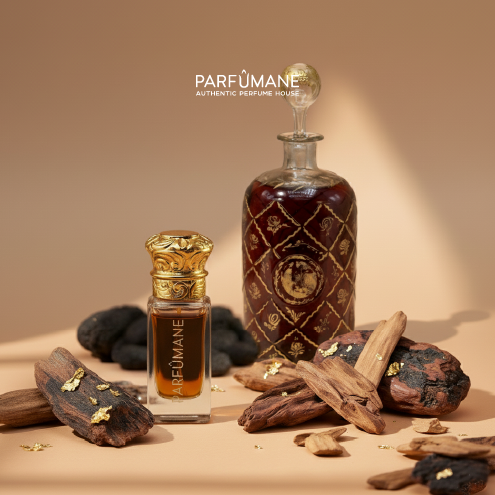
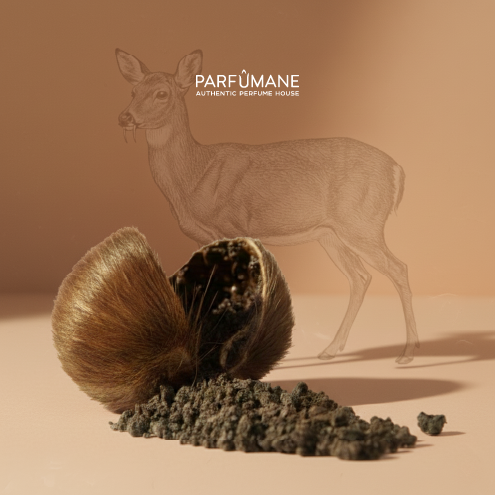
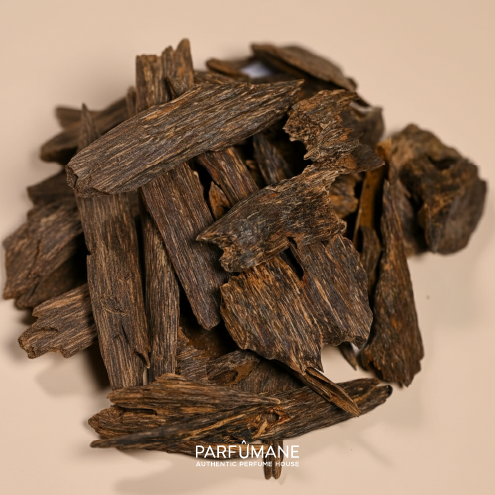
In the Ottoman Empire, perfumes were mainly created around musk, amber, and oud. Musk, obtained from the gland of the deer, was regarded as a divine gift. Additionally, rose scent was highly favored, especially because it was associated with the remembrance of the Prophet.