Bekir Kantarcı’s Gılaf-ı Reyya Exhibition: The Enchanting Journey of Perfume Bottles from the Ottoman Era to the Present

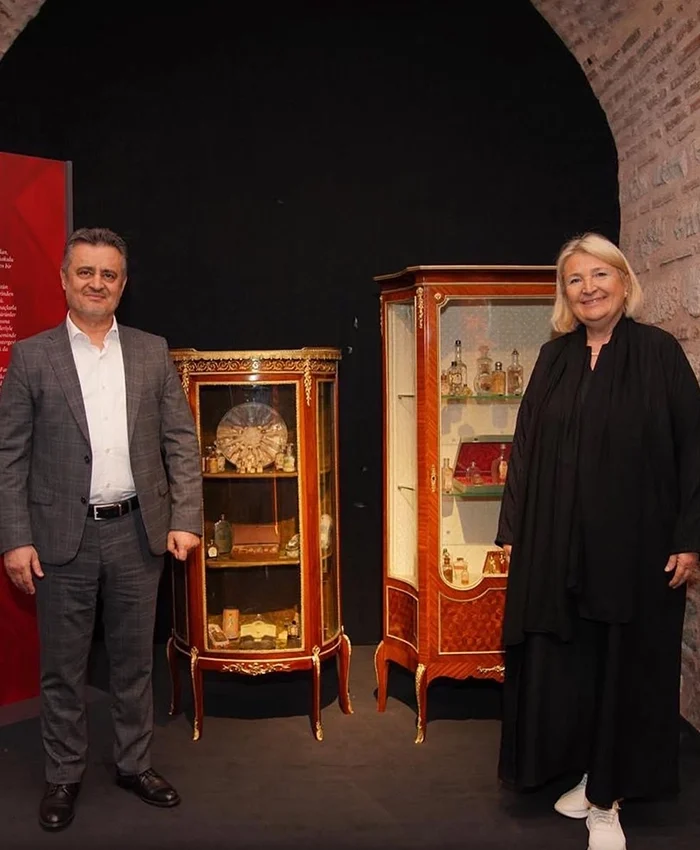
The collection created by collector Bekir Kantarcı, focusing on the scents of the Ottoman era, brings together the most exquisite examples of rare essences once used in palaces and mansions for centuries, now carried into the present. The exhibition was advised by Prof. Dr. Üzlifat Özgümüş, who has made significant academic contributions to the study of Ottoman fragrance culture, and curated by Beste Gürsü, who brings the art of scent together with contemporary exhibition language.
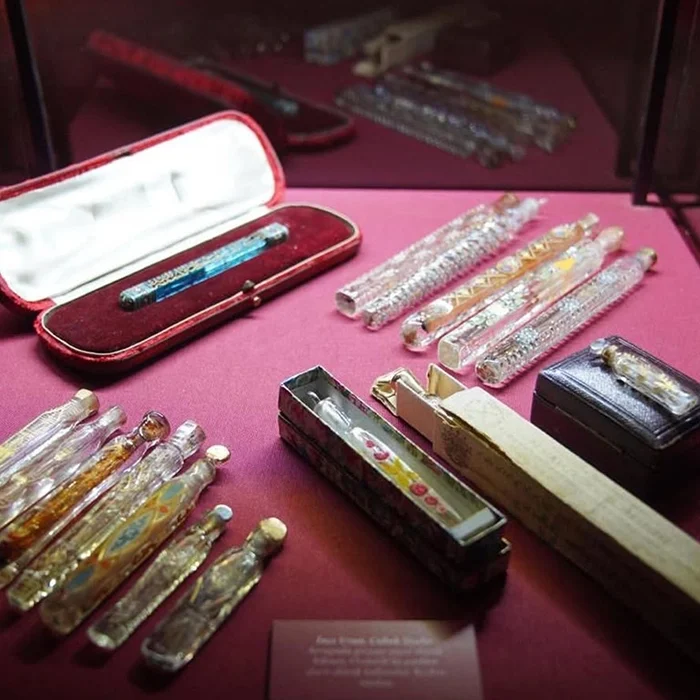
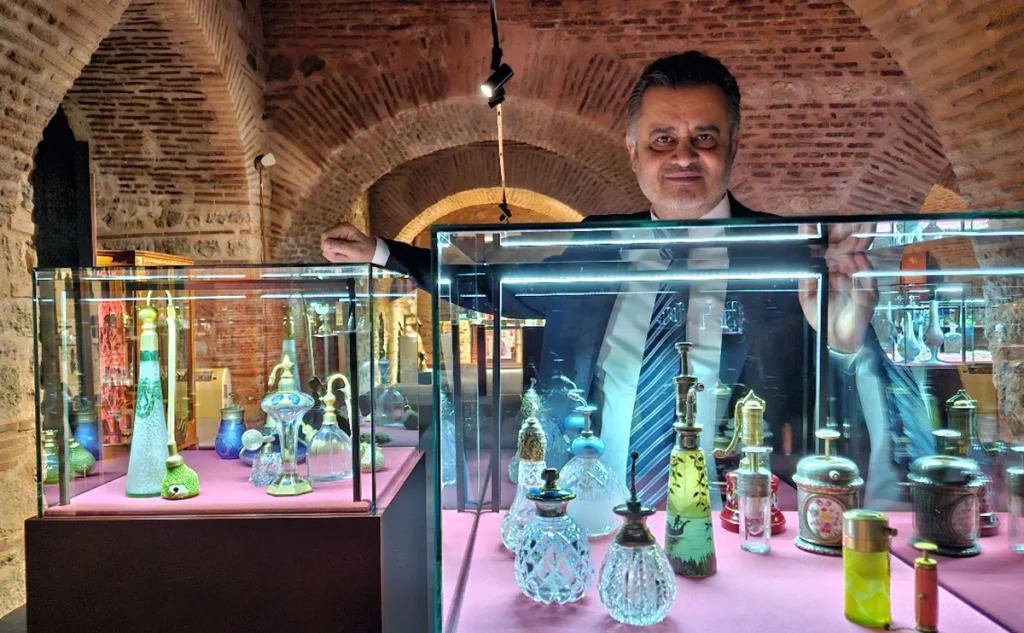
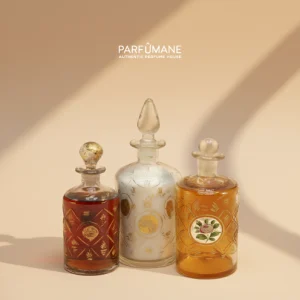
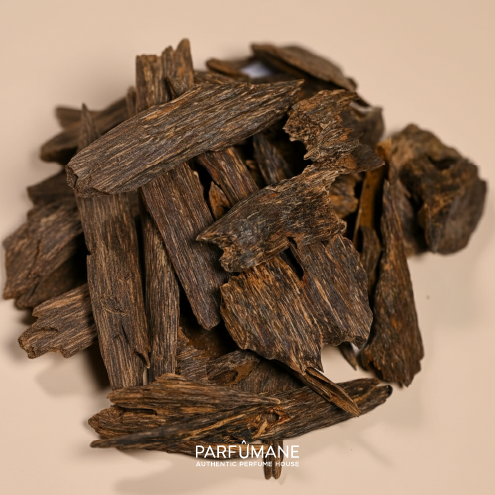
In this exhibition, where historical and cultural heritage is narrated through scents, visitors are presented not only with essences such as amber, musk, rose, and precious oud, which were used during the glorious periods of the Ottoman Empire, but also original bottles, censers, and rare objects reflecting the fragrance rituals of the time. The exhibition not only sheds light on the history of perfumery but also reveals the role of scent in Ottoman social life, spanning from daily rituals to palace protocols.
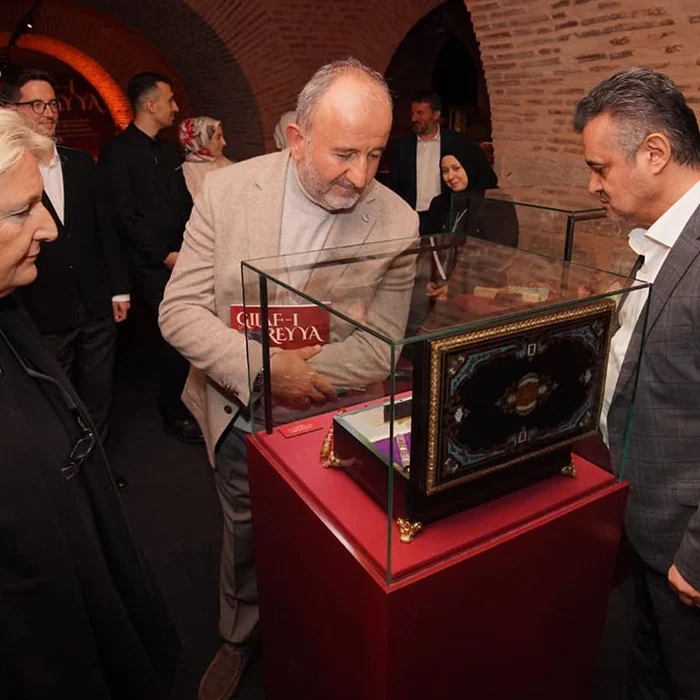
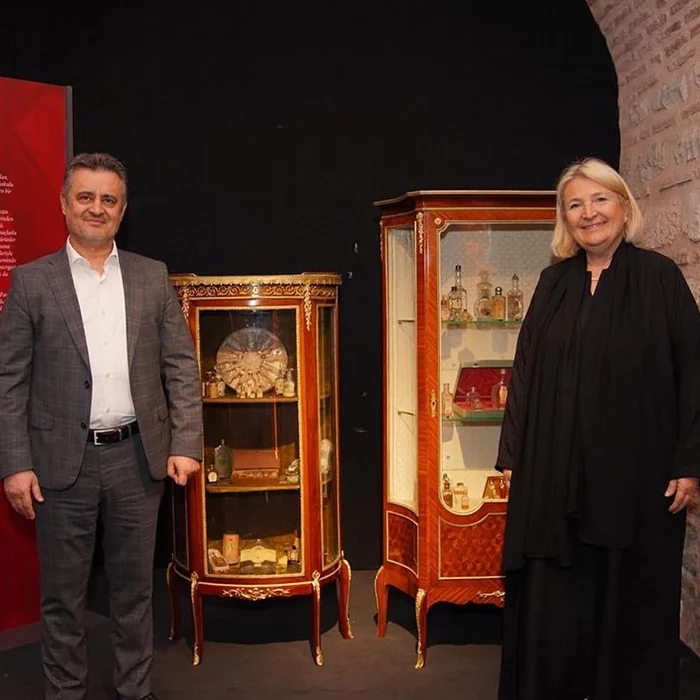
At the opening ceremony, Ufuk Uyan, General Manager of Kuveyt Türk, Istanbul Deputy Governor Özlem Bozkurt Gevrek, Dr. Coşkun Yılmaz, Istanbul Provincial Director of Culture and Tourism, and many art enthusiasts were present. Guests had the opportunity to closely examine both the aesthetic designs of the perfume bottles and the stories behind each essence. This special event, which brings together the rich fragrance culture of the Ottoman Empire with a modern exhibition approach, promises a historical journey for both art and perfume lovers.
“Art Lovers Will Breathe Delicate Scents”
Kuveyt Türk General Manager Ufuk Uyan, in his opening speech at the exhibition, said: “In addition to our participation finance services, by embracing the principle of ‘growing with our values,’ we strive to pass down works that reflect our ancient civilization to future generations, and in this context, we stand by individuals and institutions that produce lasting value. In our cultural journey, guided by our civilization and alongside art and artists, we are once again before art lovers with a distinguished exhibition. Inspired by the Prophet’s special appreciation for fragrance, our exhibition reflects the contributions of our ancestors to the art of scent. It consists of a collection of valuable perfume bottles carefully gathered by collector Bekir Kantarcı from various continents and regions, especially our country. These perfume bottles, covering the developments of the last three centuries, not only mirror this journey but also make significant contributions to the culture and literature of fragrance. We are greatly pleased to present such a meaningful and unique exhibition to art lovers. Visitors to our exhibition will have the chance to view hundreds of fragrance containers and perfume bottles produced with artisanal passion and to breathe their delicate aromas. I would like to thank Bekir Bey and everyone who contributed to the preparation of this exhibition.”“We Are Bringing the Rich Heritage of Our Civilization to Light”Islamic art historian and collector Bekir Kantarcı said in his opening speech: “Humankind is enchanted by fragrance. The interest in pleasant aromas—from fragrant plants and oils to the desire for beauty and uniqueness—has accompanied humanity since its beginning. After thousands of years, this fascination has found a place in our lives as perfume. During my visits abroad to explore perfume fairs, I also discovered and examined museums dedicated to fragrance history, which deepened my interest in the mysterious history of scent and the bottles in which precious fragrances were carefully preserved. Afterwards, I began collecting magnificent antique perfume bottles, each one a work of art containing its own story. I considered it my duty to research and promote the rich heritage of our history, which is essentially a civilization of fragrance. Over time, I also tried to gather works from private collections, through antique dealers and auctions, which ultimately resulted in this very special collection. I am truly happy to present my collection through the exhibition ‘Gılaf-ı Reyya: Perfume Bottles from the Ottoman Era to the Present.’ I hope this exhibition, which brings the rich heritage of our civilization to light, will also pave the way for a museum dedicated to fragrance culture. On this occasion, I would like to thank, first and foremost, Kuveyt Türk General Manager Ufuk Uyan, as well as Prof. Dr. Üzlifat Özgümüş, curator Beste Gürsü, and their team for their great contributions to making this exhibition possible.”A Collection Shedding Light on the Culture of Perfume BottlesThe selection on display consists of the perfume bottle collection that Bekir Kantarcı assembled with great care over many years, spanning a wide period from the 18th century to the mid-20th century. Within the scope of the exhibition, rosewater flasks, censers, Beykoz glass, European crystals, and a variety of materials, techniques, and applications were brought together, with a wide perspective especially in terms of materials. The diversity of materials extends from gold, silver, and tombac to porcelain and ivory, glass samples, ceramics, and enameled works. Alongside this, fragrance containers and perfume bottles produced in both local and Western styles shed light on the culture of perfume bottles across a wide span of history.Who Is Collector Bekir Kantarcı?Born in Yalova, Bekir Kantarcı completed his primary and secondary education in his hometown and his high school in Istanbul. He graduated from the Faculty of Theology at Marmara University in 1989 and completed his Master’s degree in Qur’an and Tafsir at the same university in 1991. He continued his studies in Mecca for a period while pursuing his doctorate and lived in Saudi Arabia until 2015, engaging in culture- and art-centered commercial activities. Currently, alongside his commercial pursuits, he actively participates in cultural activities with the works he has collected over many years on subjects such as Kaaba memorabilia, the Ottoman fragrance culture, exhibitions, and books.